What is electronic proof of delivery?
6 min read
A plain explanation of electronic POD, what a good digital record contains, and how it differs from a scanned docket.
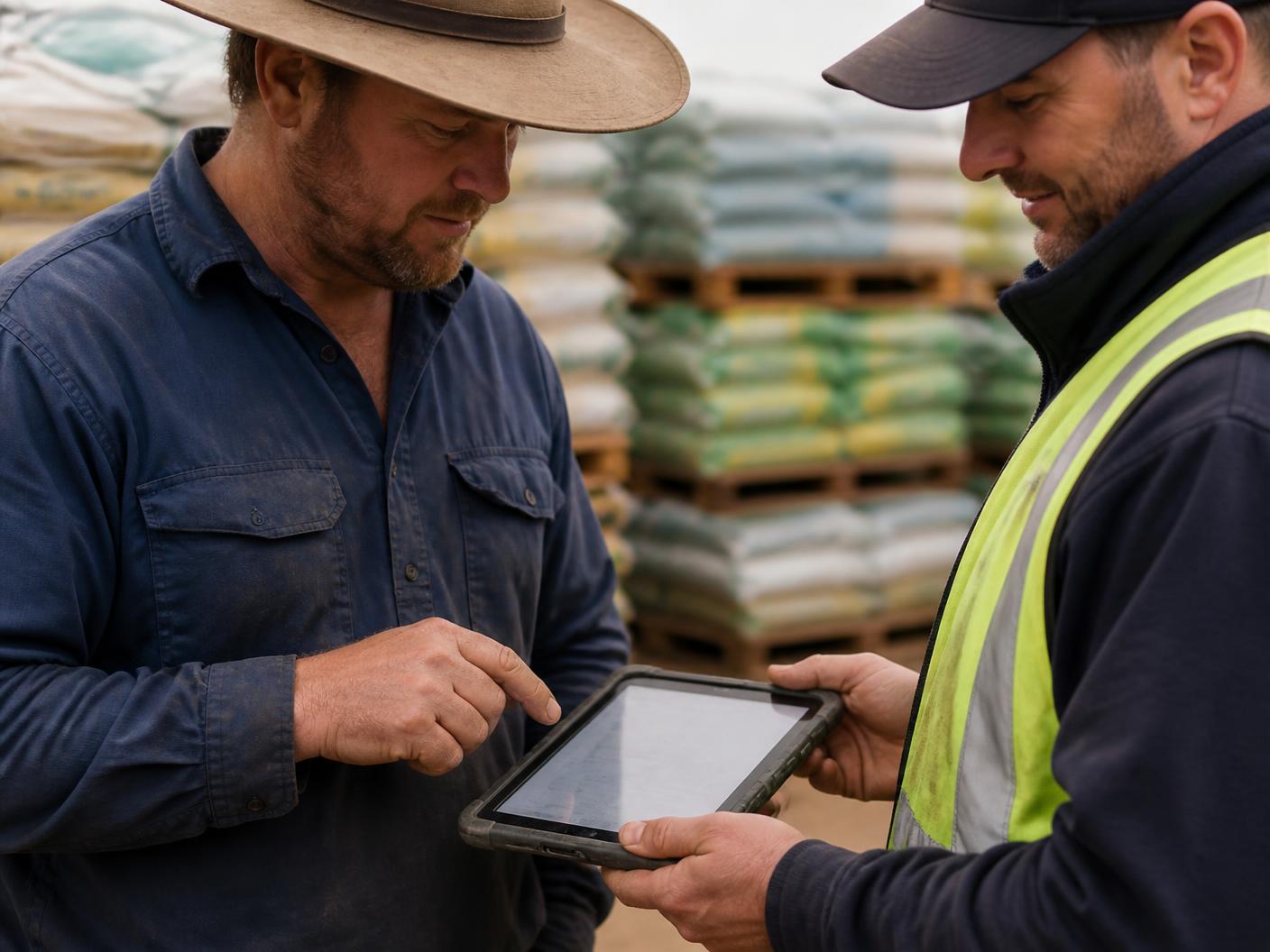
Electronic proof of delivery, usually shortened to electronic POD or ePOD, is a digital record confirming that goods were delivered and what condition they arrived in. It does the same job as a signed paper docket, but it is captured on a phone at the point of delivery and stored where the office can find it later.
The important difference is not the screen. It is that the record is structured. A paper docket is a picture of some handwriting. A digital proof of delivery record holds each product line, the quantity accepted, the reason for any difference, the evidence attached and the identity of the person who signed.
What a complete electronic POD record contains
- The customer, the delivery site and any purchase order reference
- Each product line, with the quantity ordered and the quantity actually accepted
- Batch or lot numbers and expiry dates where the product requires them
- Exceptions such as shortages, damaged goods, refused items or unsafe access
- Photos taken at the delivery, tied to the delivery or to a specific line
- The receiver's name, their role and their signature
- The time the delivery was confirmed, and location evidence where the device allows it
A scanned docket is not electronic proof of delivery
Photographing a signed docket and emailing it is better than losing the docket, but the information is still trapped in an image. You cannot search it, you cannot total the shortages across a month, and you cannot tell whether the quantity written was the quantity accepted. Electronic proof of delivery means the data is captured as data.
Why rural and regional operators benefit most
Regional delivery runs are long, sites are remote and the receiver is often mid-job. That combination produces exactly the conditions where paperwork gets skipped: nobody at the shed, a docket left on a drum, a quantity written down from memory at the next stop. A digital workflow that takes seconds per line is far more likely to be completed properly than a docket book that has to be filled in twice.
What it does not do
Electronic proof of delivery is record-keeping. It does not make a delivery compliant with any particular regulation on its own, and no software should claim that it does. What it can do is make sure the details you rely on are captured consistently, by every driver, on every delivery, and are still readable in twelve months.
Questions people ask
Is an electronic signature acceptable for a delivery?
Signatures captured on a device are widely used for delivery confirmation in Australia. Whether that satisfies a specific contract or regulatory obligation depends on your circumstances, so check anything critical with your own adviser.
What happens if there is no phone coverage at the site?
Good ePOD software stores the confirmation on the device and sends it when coverage returns, and shows the driver clearly whether the work has been sent. SignedPOD works this way.