Managing shortages, damaged goods and refused deliveries
6 min read
A short, consistent exception process beats a long free-text note. Here is how to structure one.
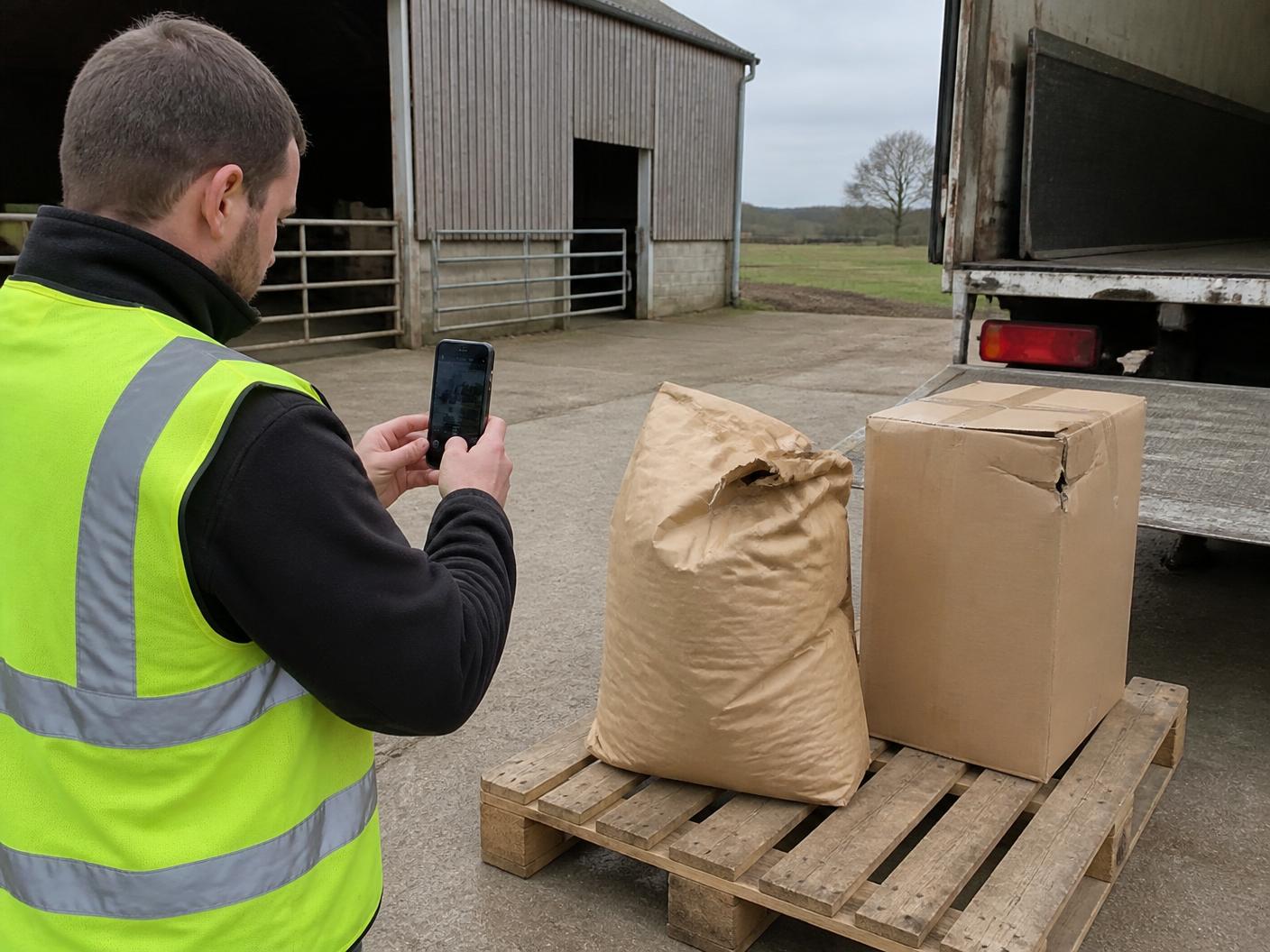
Every delivery operation has exceptions. The difference between a well-run one and a stressful one is whether the exception was recorded while both people were standing in front of the pallet, or reconstructed a fortnight later from two conflicting recollections.
Use a short list of reasons
Four or five reasons cover almost everything in rural supply: short delivered, damaged, refused by the receiver, unable to access the site safely, and wrong product supplied. A short list gets used. A free-text box gets left blank or filled with 'see driver'.
Record the quantity, not just the problem
If forty bags were ordered and thirty-six were accepted, the record needs both numbers and a reason for the four. That is what makes a credit or a follow-up delivery straightforward, and it is what turns a delivery discrepancy record into something your finance team can act on.
Photograph the thing, not the paperwork
- Damaged goods, close enough to see the damage and wide enough to see what it is
- Where goods were left when nobody was available to receive them
- Site access problems, which protect the driver as much as the business
- Batch labels where identification later could be questioned
Decide the follow-up on the spot
The best time to decide whether a shortfall is being redelivered or credited is at the gate, with the receiver present. Creating a linked follow-up delivery straight away means the outstanding quantity is visible to the office rather than living in a driver's head until Friday.
Handle refusals calmly and factually
A refusal is not a failure by the driver. Record who refused it, their stated reason in their words, the quantity, and a photo. Keep opinion out of the record. A factual refusal record is far more useful in a later conversation than a defensive one.