Why batch and lot details matter in agricultural deliveries
6 min read
Where batch capture usually breaks down on chemical, fertiliser and seed runs, and a practical way to fix it.
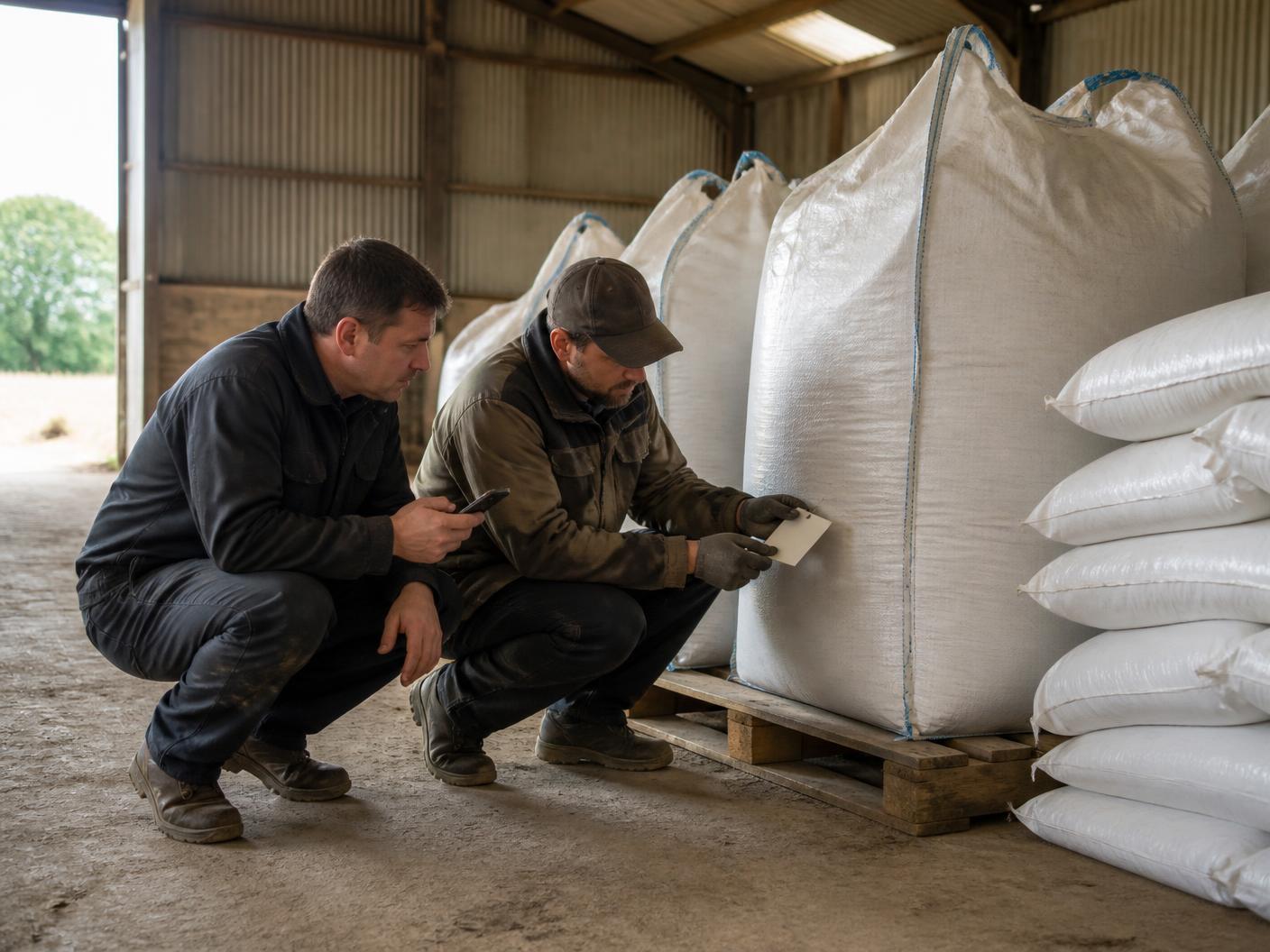
For agricultural chemical, fertiliser and seed deliveries, the batch or lot number is often the only thread connecting a product on a farm to the consignment it came from. When a question arises about a product later, that thread is what makes an answer possible.
Where batch details usually get lost
- Written on the pick slip in the warehouse, but never transferred to the delivery docket
- Recorded for the consignment rather than for the specific drums or bags delivered
- Copied by hand at the end of the run, from memory or from a photo
- Captured accurately, then filed somewhere the office cannot search
Capture at the point of transfer
The only reliable moment to record a batch number is when the product physically changes hands, because that is the only moment when the label and the receiver are both present. Capturing it against the line item, alongside the quantity accepted, keeps the two facts together permanently.
What to capture
- Batch or lot number exactly as printed on the label
- Expiry date where the product carries one
- Quantity accepted against that batch, if a line is split across batches
- A photo of the label where the number is long or easily misread
Make it optional where it does not apply
Forcing a batch number on every line, including bulk urea or a box of fittings, trains drivers to enter rubbish to get past the screen. Ask for batch details only on the products that need them, and drivers will treat the field as meaningful.
A note on compliance
Recording batch details well supports traceability, but it does not by itself satisfy any particular regulatory scheme, and software cannot promise that it will. Confirm your own obligations, then make sure your delivery process captures at least what those obligations require.